
Root canal treatment eliminates infection. Restoration determines whether the tooth survives. Studies consistently show that the quality of the final restoration has a greater impact on long-term tooth survival than the technical quality of the root canal treatment itself.
Why restoration decisions matter
- Endodontically treated teeth (ETT) lose structural dentin through caries, access preparation, and canal shaping
- Without adequate restoration, fracture risk rises sharply — particularly in posterior teeth
- Coronal microleakage can recontaminate a well-obturated canal within 30 days if the seal fails
- ETT restoration is planned, not improvised — it begins at diagnosis
The ferrule: the non-negotiable foundation
Before choosing any restorative approach, assess the ferrule — a circumferential band of sound dentin ≥1.5–2 mm in height above the crown margin. It is the most important factor in preventing root fracture under function.
No post or crown compensates for an inadequate ferrule. Plan crown lengthening or orthodontic extrusion if necessary before proceeding.
When to use a post
Posts retain core restorations when insufficient coronal structure remains. They do not strengthen teeth.
- Post generally indicated: Fewer than 2 walls of coronal structure remaining after cavity and caries removal [1]
- Post not indicated: 3+ walls remaining with adequate ferrule
- Avoid in thin, curved, or short roots (≤10 mm) where perforation risk outweighs retention benefit
Fiber posts: the evidence-based choice
Glass fiber reinforced composite (FRC) posts have an elastic modulus close to dentin (40–50 GPa vs. 18 GPa for dentin). They distribute load more evenly, reducing stress at the post-dentin interface.
When fiber post-retained teeth fail, they fail coronally — retrievably. Metal post failures occur at or below the crestal bone — often unrestorable. A 2023 network meta-analysis of 25 RCTs confirmed prefabricated glass fiber posts had the lowest risk of tooth fracture and debonding among all post types [1].
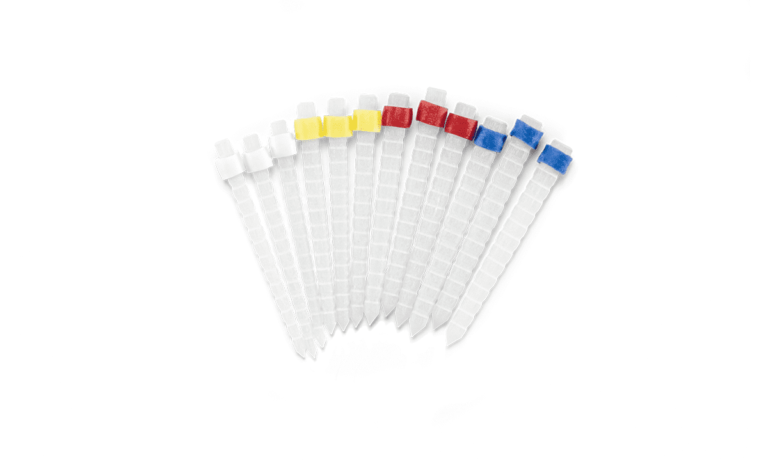
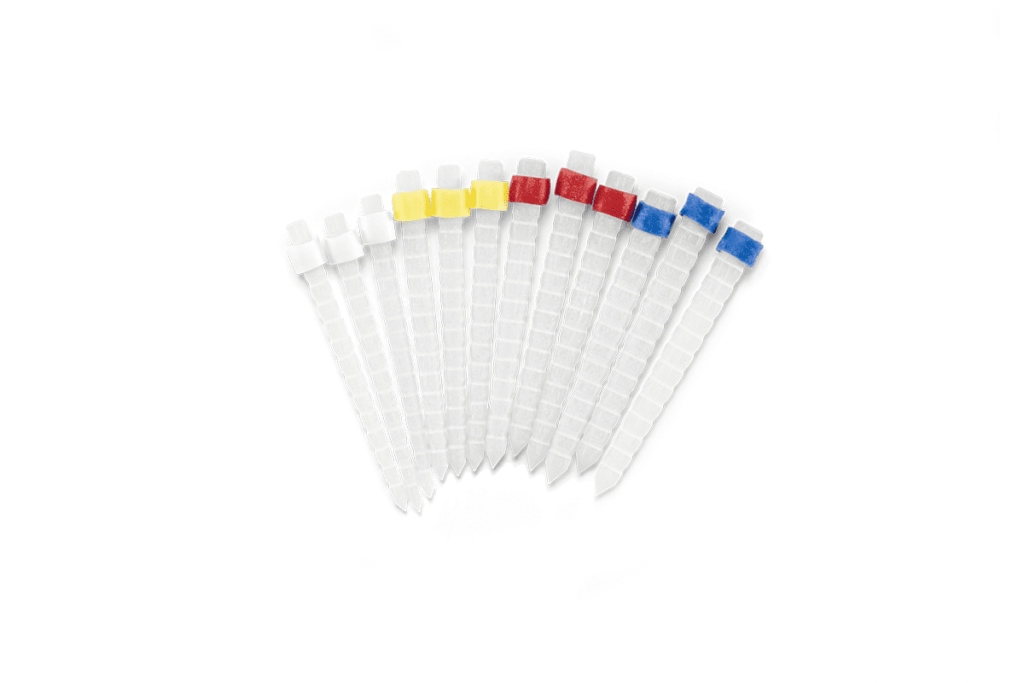
Fibrapost Lux (PD Dental) PD Fibrapost Lux
- UDMA matrix resin — BisGMA-free, epoxy-free, fully biocompatible
- Light-conducting design: transmits axial and radial light for reliable dual-cure cement polymerisation deep in the canal
- Radiopacity 3× greater than dentin — clearly visible on radiographs
- Elastic modulus close to dentin — minimizes stress risers
- Sizes #1–4; available in assorted or single-size boxes of 12
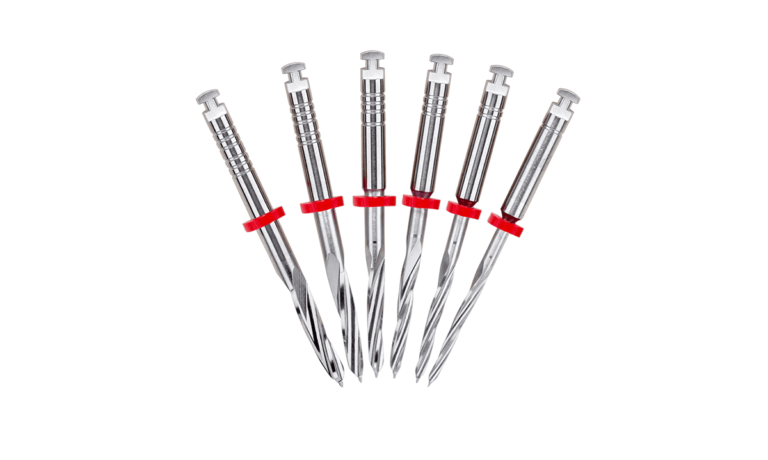
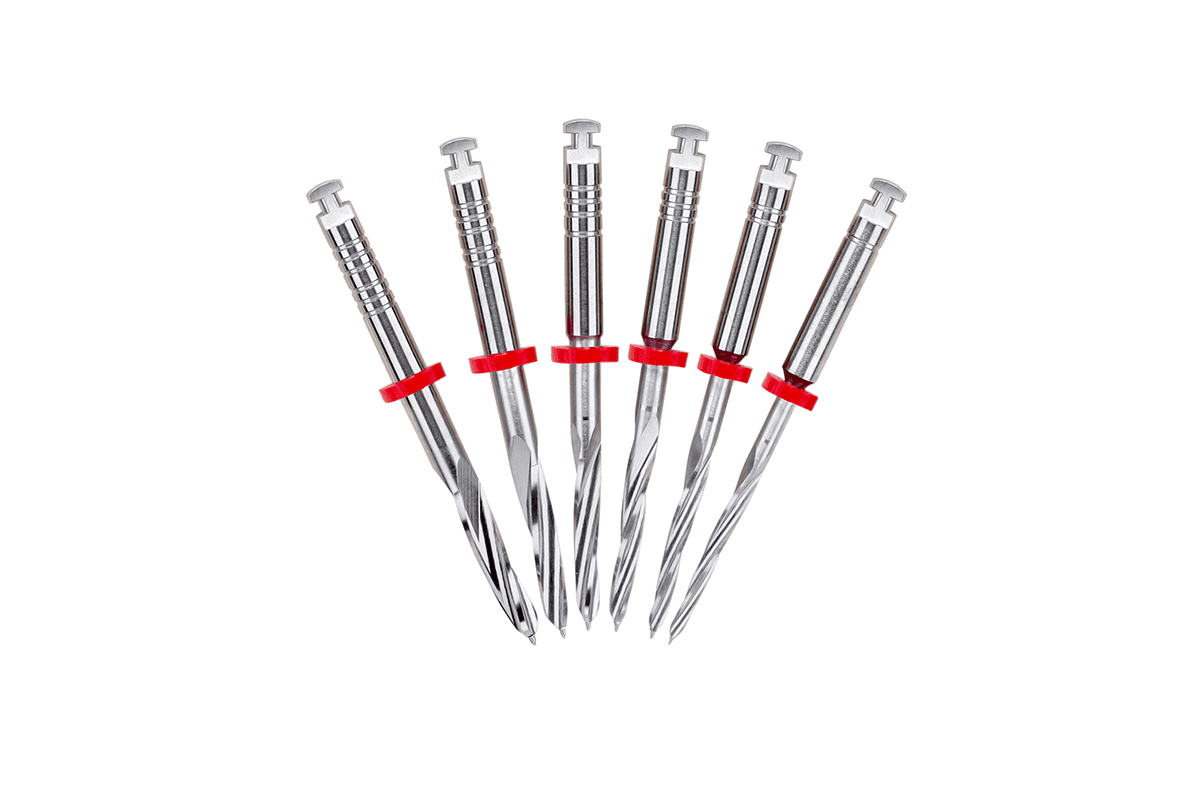
Drill-A-Post (PD Dental) Drill-a-Post
A tapered reamer system precisely matched to Fibrapost Lux dimensions. Using matched drill and post dimensions ensures optimal cement film thickness and post fit.
- 2°30′ conicity matched to Fibrapost Lux — no over- or under-preparation
- Non-cutting tip prevents apical transport and perforation
- Silicone depth rings for safe, consistent drilling depth
- Standardized shank; fits any rotary low-speed handpiece
Core build-up: sealing the access and rebuilding anatomy
Explore different publications about irrigation to know more about this topic.
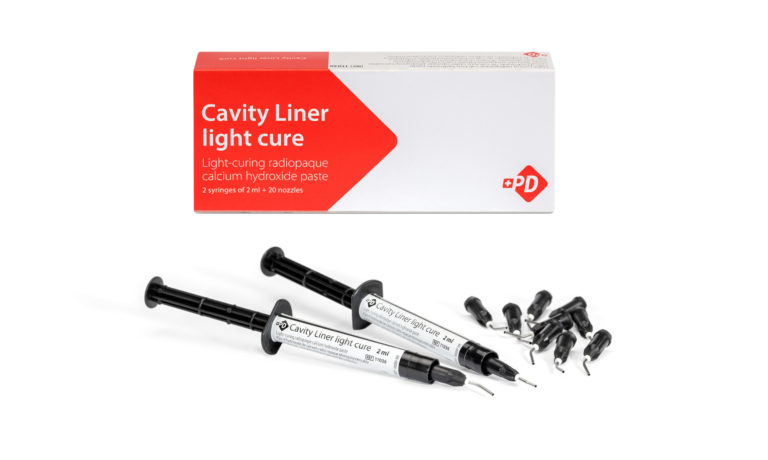
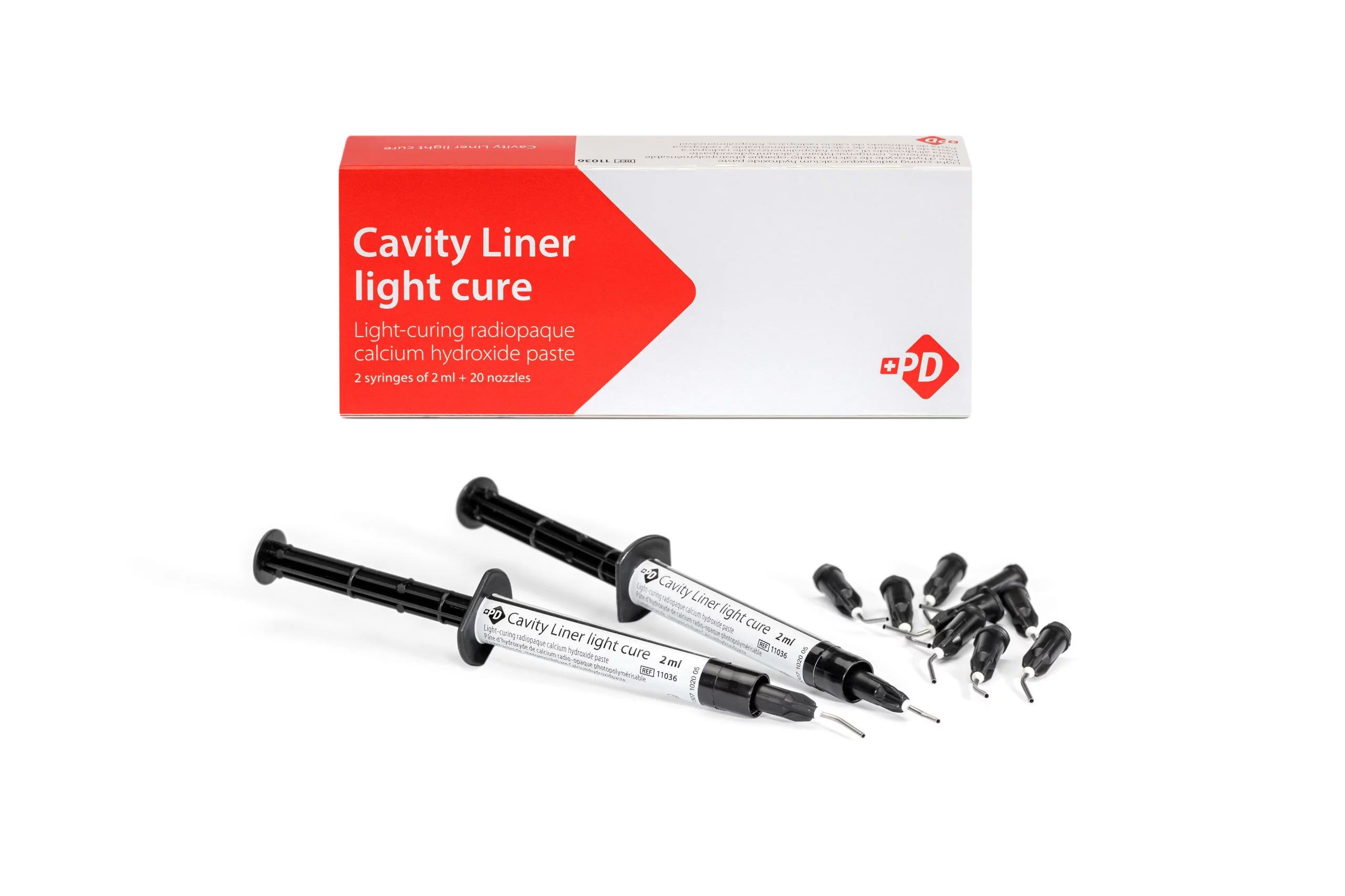
Cavity Liner (PD Dental) Cavity Liner
A light-curing, radiopaque calcium hydroxide paste applied over the pulpal floor and canal orifices before composite build-up. It creates a biological and mechanical seal at the most vulnerable microleakage site in ETT restoration.
- pH 12 — antibacterial and stimulates secondary dentin formation
- Flexural strength 89 MPa / compressive strength 316 MPa (ISO 4049) — resists composite polymerisation stress
- High acid resistance — not dissolved by etch or self-etch adhesive systems
- Radiopaque — identifiable on radiographic follow-up
- 20-second light cure; depth of cure 1.6–1.8 mm (ISO 4049); syringe + precision tips for targeted delivery
Note: Confine liner to the pulpal floor and orifice margins only. Covering dentinal walls will interfere with composite–dentin bonding.
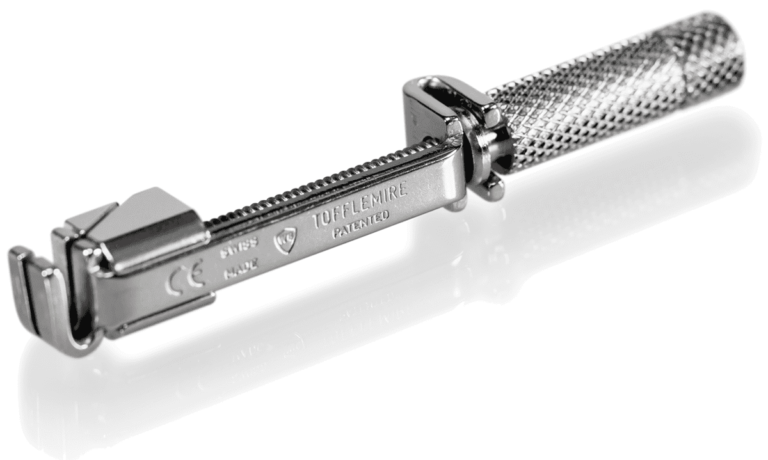
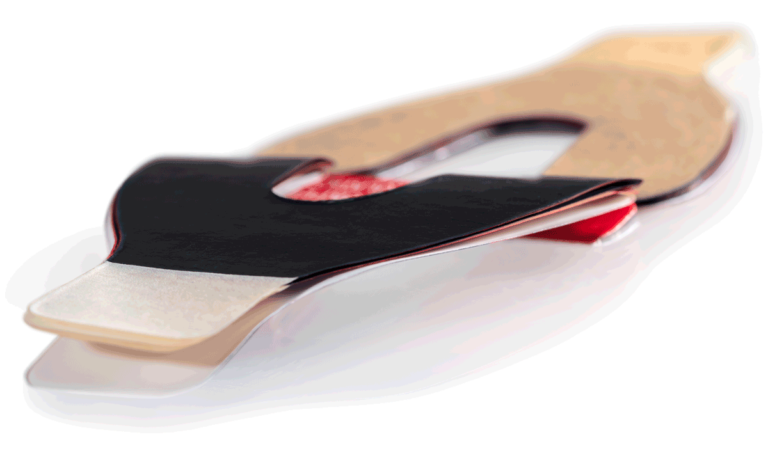
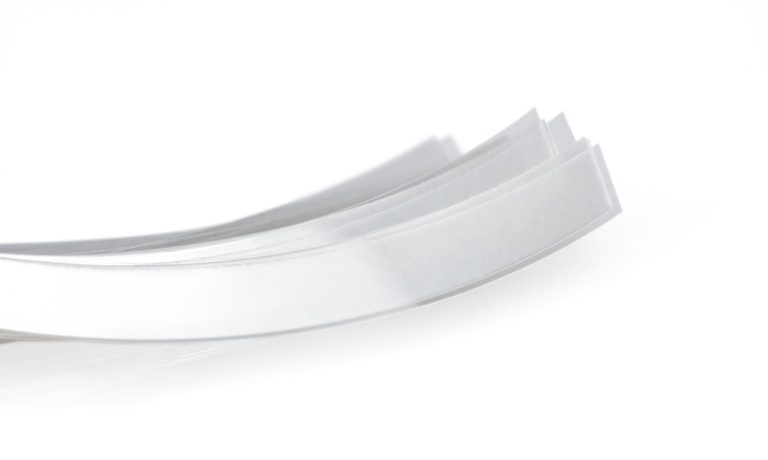
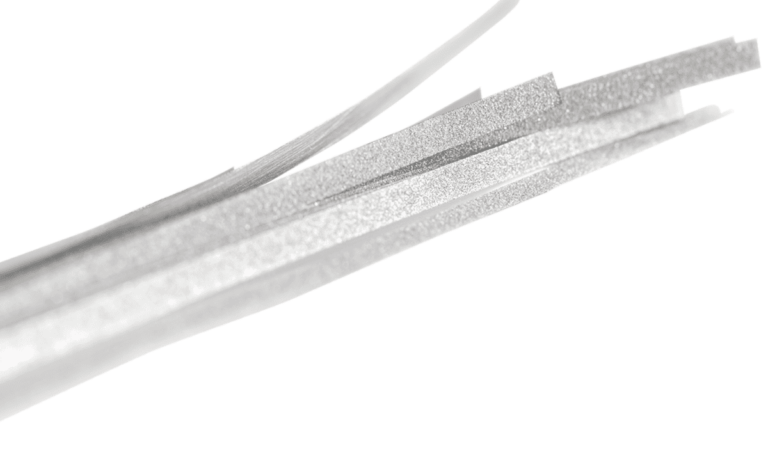
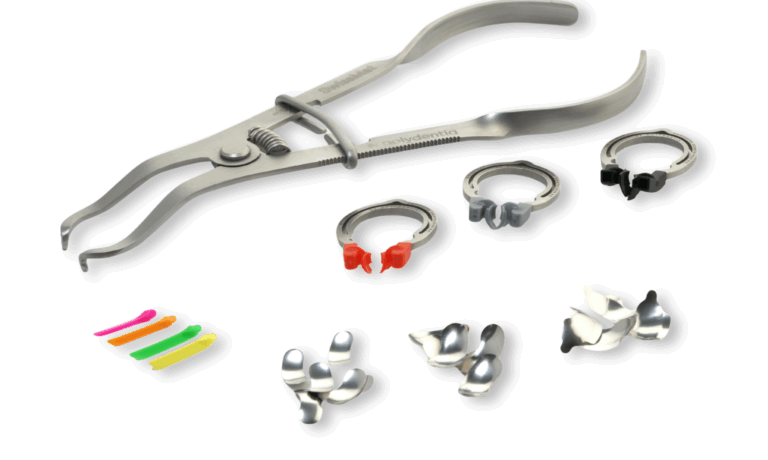
SwissMat™ Sectional Matrix System (PD Dental) SwissMat™
When proximal walls are absent or reduced, recreating a tight, anatomical contact point is essential. Sectional matrix systems consistently outperform circumferential designs for proximal contact quality in posterior composite restorations.
- Ultra-thin 0.04 mm stainless steel bands — minimal interproximal space occupation, natural contact after removal
- Three band sizes: Premolar (5 mm), Molar (6.4 mm), Molar with extension (deeper gingival margins)
- V-Wedges in XS/S/M/L — precise interproximal seal, protects the papilla
- Interchangeable tines (S/M/L, color-coded) adapt the ring to any proximal box width
- Forceps with ring-reset notches maintain consistent separating force across procedures

Marginal seal and anatomical fit
The use of thin, preformed sectional matrices outperforms circumferential systems for managing root emergence profiles.
- Study by Kameyama et al. [2] demonstrates that resin materials (used with matrices) provide excellent sealing at composite margins, unlike conventional cements which exhibit deep leakage at these interfaces.
- Study by Gavriil et al.[3] highlights that cervical margin repositioning (CMR) with a well-fitted sectional matrix allows a complex subgingival margin to be transformed into a clean supragingival margin, facilitating impression-taking and final bonding.
Preservation of the supracrestal tissue attachment (SCTA)
The precision of sectional matrices allows for the restoration of localised areas without damaging the entire periodontal margin.
- Study by Gavriil et al. [3] states that if the restoration does not violate the biological space (STA), the tissue response to subgingival composite is comparable to that obtained following surgical crown lengthening.
- Study by Jensen et al. [4]: Warns against traditional orthodontic/copper bands, which can cause gingival irritation due to poor marginal adaptation and compromised hygiene.
Optimisation of asepsis and irrigation
A reconstructed proximal wall is the cornerstone of effective root canal disinfection.
- Study by Kharouf et al. [5] demonstrates via SEM analysis that the presence of a pre-endodontic restoration (proximal wall) significantly improves smear layer removal, particularly in the apical third, by acting as a reservoir for irrigant.
- Heydrich study [6] states that a stable restoration eliminates variables related to marginal leakage during treatment and increases the stability of the rubber dam clamp.
- Biomechanical reinforcement of the crown-root complex
The adhesive bond created by these matrices reinforces the tooth structure from the start of treatment.
- Study by Gavriil et al. [3] indicates that the preservation of pericervical dentine and the use of adhesive techniques increase fracture resistance compared to techniques requiring mechanical retention.
- Study by Jensen et al. [4]: Demonstrates that banding or adhesive reconstruction reduces cusp flexion by half and increases fracture resistance under load.
Long-term stability of the inter-appointment seal
The quality of the matrix determines the survival of the temporary restoration between appointments.
- Study by Jensen et al. [4] highlights that bacterial penetration is the main cause of failure; a pre-endodontic adhesive restoration “placed correctly just once” prevents contamination and displacement of adjacent teeth.
- Study by Kameyama et al. [2] notes that the thickness of the temporary material (allowed by wall reconstruction) must be maximised to prevent the absorption of dyes or oral fluids.
| Product | Clinical Role | Key Feature |
|---|---|---|
| Fibrapost Lux #1–4 | Glass fiber post for structurally compromised ETT | UDMA matrix, light-conducting, radiopaque, 3× dentin, BisGMA-free |
| Drill-A-Post #1–6 | Matched post-space preparation for Fibrapost Lux | Non-cutting tip, depth rings, 2°30′ taper |
| Cavity Liner | Pulpal floor seal; coronal microleakage barrier | Light-cure Ca(OH)₂; pH 12; 316 MPa compressive strength; radiopaque |
| SwissMat™ System | Anatomical proximal contact restoration in core build-up | 0.04 mm Swiss steel; premolar/molar/extended bands; V-wedges XS–L |
Restorative checklist for every ETT
- Assess ferrule before choosing restoration type. No ferrule = crown lengthening first.
- Seal access cavity immediately after obturation — never leave it open.
- Apply Cavity Liner over pulpal floor and orifice margins before composite.
- Use a post only when retention is needed (≤2 remaining walls).
- Match post-space drill to post: Drill-A-Post + Fibrapost Lux for consistent fit.
- Use SwissMat™ to restore proximal anatomy when walls are absent.
Cover posterior ETT cusps — crown coverage significantly reduces fracture risk.
Publications
Explore different publications about irrigation to know more about this topic.
[1] Altitinchi A, et al. Comparative effectiveness of fiber and metal posts — network meta-analysis. Journal of Prosthetic Dentistry. 2024. https://www.sciencedirect.com/science/article/abs/pii/S0022391323005693
[2] Kameyama et al., Marginal Leakage of Endodontic Temporary Restorative Materials around Access Cavities Prepared with Pre-Endodontic Composite Build-Up: An In Vitro Study, Materials 2020, 13, 1700 DOI
[3] Gavril et al., Pre-endodontic restoration of structurally compromised teeth: current concepts, BDJ 231, pp. 343-349 (2021) Pre-endodontic restoration of structurally compromised teeth: current concepts | British Dental Journal
[4] Jensen et al., Interim and temporary restoration of theeth during endodontic treatment, Austral. Dental J. Endodontic Supplement 2007; 52:1 DOI
[5] Kharouf et al., In Vitro Evaluation of Different Irrigation Protocols on Intracanal Smear Layer Removal in Teeth with or without Pre-Endodontic Proximal Wall Restoration, J. Clin. Med. 2020, 16;9(10):3325 DOI
[6] Heydrich et al. Pre-endodontic treatment restorations. A modification of the ‚donut‘ technique, J Am Dent Assoc. 2005 May;136(5):641-2, DOI